


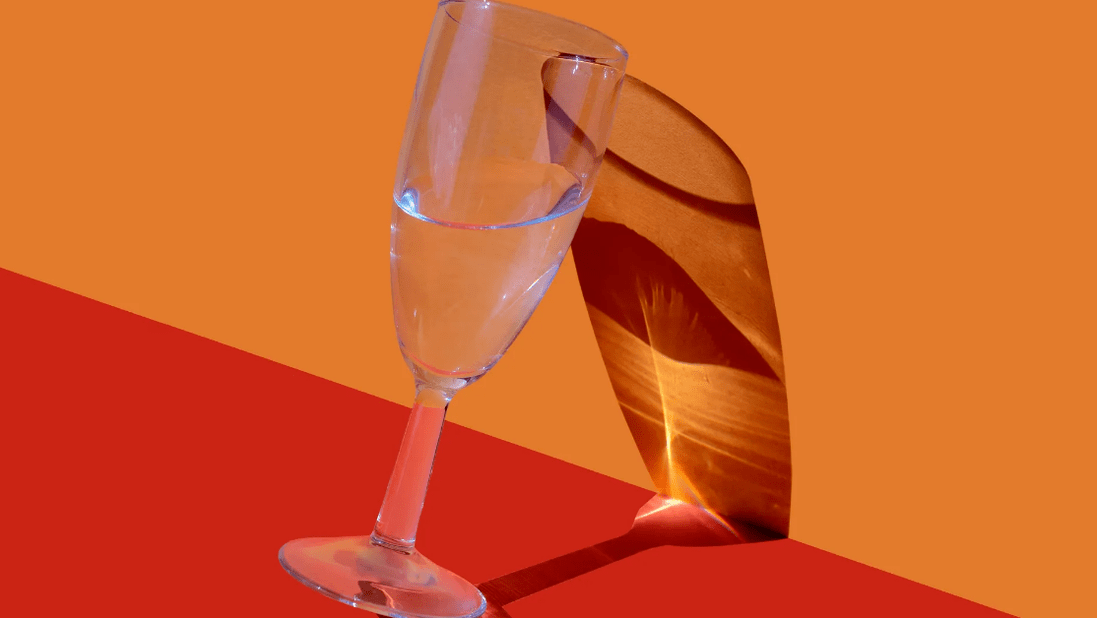
For many people, relaxing on weekends is associated with alcohol - they see nothing wrong with it, because they only drink a few glasses of wine or a bottle of beer.But even such a seemingly small amount of alcohol can harm and lead to addiction.Let's look at how alcohol affects mental and physical health and how to learn to relax in other ways.
They say:
Maya Medvedeva - psychologist, psychosomatologist
Oksana Nazarchuk - practicing nutritionist
How is addiction formed?
"In the modern world, people lead an active social life and spend most of their time at work," says psychologist Maya Medvedeva.— Stress and tension do not come to light and accumulate over time.When they reach their peak, the mind and body require relaxation.Alcohol is the easiest way to achieve this state.Ethanol molecules quickly penetrate through the plasma membrane into the intracellular environment and easily reach all cells and neurons.Alcohol activates brain receptors, with dopamine receptors being the most sensitive to it.
This explains why with small doses of alcohol a person feels a surge of strength, happiness, good mood and cheerfulness.Dopamine is one of the "hormones of joy" that stimulates the emergence of positive emotions.After drinking alcohol, a person wants to dance, sing, laugh, becomes more sociable.If you drink regularly, the body stops producing dopamine on its own, as an external source becomes available.Dependence on alcohol develops, the habit is gradually formed and the need to drink is formed.
The effect of alcohol on dopaminergic neurons has been proven by scientific studies.It has been established that with regular consumption of alcoholic beverages, dopamine stops working in a balanced way and the person does not control his behavior.If you are looking forward to the weekend and "meeting" with alcohol, be careful: the development of addiction has already begun.Show awareness and start fighting the beginnings of alcoholism.
How does alcohol affect the internal organs?
"Alcohol begins to affect the functioning of our body from the first sip, and first of all it has a detrimental effect on the functioning of the liver," adds nutritionist Oksana Nazarchuk.— It can cause various diseases, inflammatory processes and complications of this organ, up to cirrhosis.The liver is the organ where detoxification processes take place.In this way, liver diseases have a detrimental effect on the functioning of the entire organism.By the way, it is more difficult for the female body to process alcohol, and the liver can be destroyed much faster than in men.Alcohol also negatively affects the work of the heart and the amount of sugar in the blood and can lead to serious diseases of the cardiovascular system.
Alcohol also affects the functioning of the central nervous system: one of the most striking symptoms is "undeveloped language" or slurred speech.It reduces the connection between the body and the brain, making it difficult for us to coordinate movements and maintain balance.Some may experience numbness and tingling in the hands and feet.In chronic alcoholics, alcohol causes changes in the brain that can lead to Wernicke-Korsakoff syndrome (a form of amnesia that combines a type of long-term amnesia and confusion).
Alcohol also affects eating behavior: leptin levels decrease, we experience acute hunger and want to eat not the healthiest food.As a result, we may overeat and not control the amount we eat.After drinking any amount of alcohol, fat burning processes stop. Those trying to lose weight should definitely not drink alcohol during the first weeks of the diet.Many people do not take into account the calories contained in alcohol, but one gram of pure alcohol is approximately 7 kcal.Some alcoholic beverages contain as many calories as full-fledged meals: for example, 0.5 liters of beer contain 218 kcal;the nutritional value of liqueurs and cocktails is much higher because of the sugar.
Drinking alcoholic beverages has a detrimental effect on the functioning of the gastrointestinal tract and leads to a decrease in the ability to absorb trace elements.As a result, deficiencies are created that negatively affect the functioning of the entire organism.You may also experience unpleasant symptoms such as heaviness in the abdomen, increased gas formation and problems with stools.Those who do not control their alcohol consumption experience anemia (low levels of red blood cells and hemoglobin in the blood).Some doctors believe that beer has a beneficial effect on digestion, but like any other alcoholic drink, it is unlikely to be beneficial.
Many people do not take into account the calories contained in alcohol, but one gram of pure alcohol is approximately 7 kcal.Some alcoholic beverages contain as many calories as full-fledged meals: for example, 0.5 liters of beer contain 218 kcal;the nutritional value of liqueurs and cocktails is much higher because of the sugar.
When you drink alcohol, the pancreas begins to produce too many enzymes, which can lead to inflammation of this organ or pancreatitis.
Alcohol affects sexual function and can suppress libido and reduce hormone production in both men and women.Pregnant women who drink alcohol put the fetus at risk: since such drinks reduce the level of B vitamins, the fetus may have problems with the development of the nervous system.And of course, alcohol negatively affects the functioning of the immune system and its unlimited consumption can cause very serious diseases.
In France until the 1950s, children could drink wine, cider or beer during school breaks - this was not only not forbidden, but was encouraged above all by their parents.It is true that in 1956 the French Ministry of Education forbade children under 14 to drink wine, but the rest could still drink alcohol between classes, but no more than 125 ml (this is the volume of the glass).In 1981, alcohol was completely banned in schools because children often fell asleep in class or, conversely, behaved too actively.In Italy, children also have a special relationship with wine: in 2016, a local senator proposed to introduce special lessons in schools where students are taught about wine culture.It was supposed that during them, the children would be told about the importance of wine in Italian history and how to drink the drink properly, which is supposed to protect teenagers from alcohol addiction in the future.
What to replace alcohol with?
If you are not ready to completely give up alcohol, nutritionist Oksana Nazarchuk recommends at least reducing its consumption as much as possible: "In order not to harm your physical health, you should drink no more than one or two glasses a week. It is important to consider your personal condition after use. It is recommended that you do not even start drinking any type of alcoholic beverages, unless you have already tried them. The official dietary guidelines for the United States and Canada recommend alcohol intake for women as one drink orless per week. The less alcohol you drink, the healthier you are, you can drink a non-alcoholic version of the drink that also contains resveratrol."
To get rid of addiction and stop drinking alcohol, psychologist Maya Medvedeva advises to find an activity that brings pleasure and thus provokes the production of dopamine and serotonin in a natural way: for example, regularly go for walks, visit exhibitions or plan a visit to the bathroom - all this has a positive effect on the brain and increases the level of the "hormone of happiness".To relax, the psychologist recommends meditation, spa treatments and even just listening to relaxing music: "To meditate, you don't need to delve into religious teachings; psychologists advise finding a quiet, secluded corner, taking a comfortable position and watching your breathing. This simple exercise brings calmness, relieves stress, and joy and peace reign in the soul. Massage and spa treatments are also a great way to get rid of the accumulated When we feel pleasanttouch, the "love hormone" oxytocin is produced in our body.
Include sports in your routine and revise your diet: "Sports give a pleasant bonus - during physical education, adrenaline is released, which gives a feeling of light propulsion and helps to throw out accumulated negative emotions," summarizes Maya Medvedeva.— Include foods rich in tyrosine in your menu: hard cheese, meat, beans, fish.Moderate consumption of high-quality freshly brewed coffee with a piece of chocolate also helps improve your condition.But do not overdo it with sweets, otherwise instead of one addiction you will get another.